
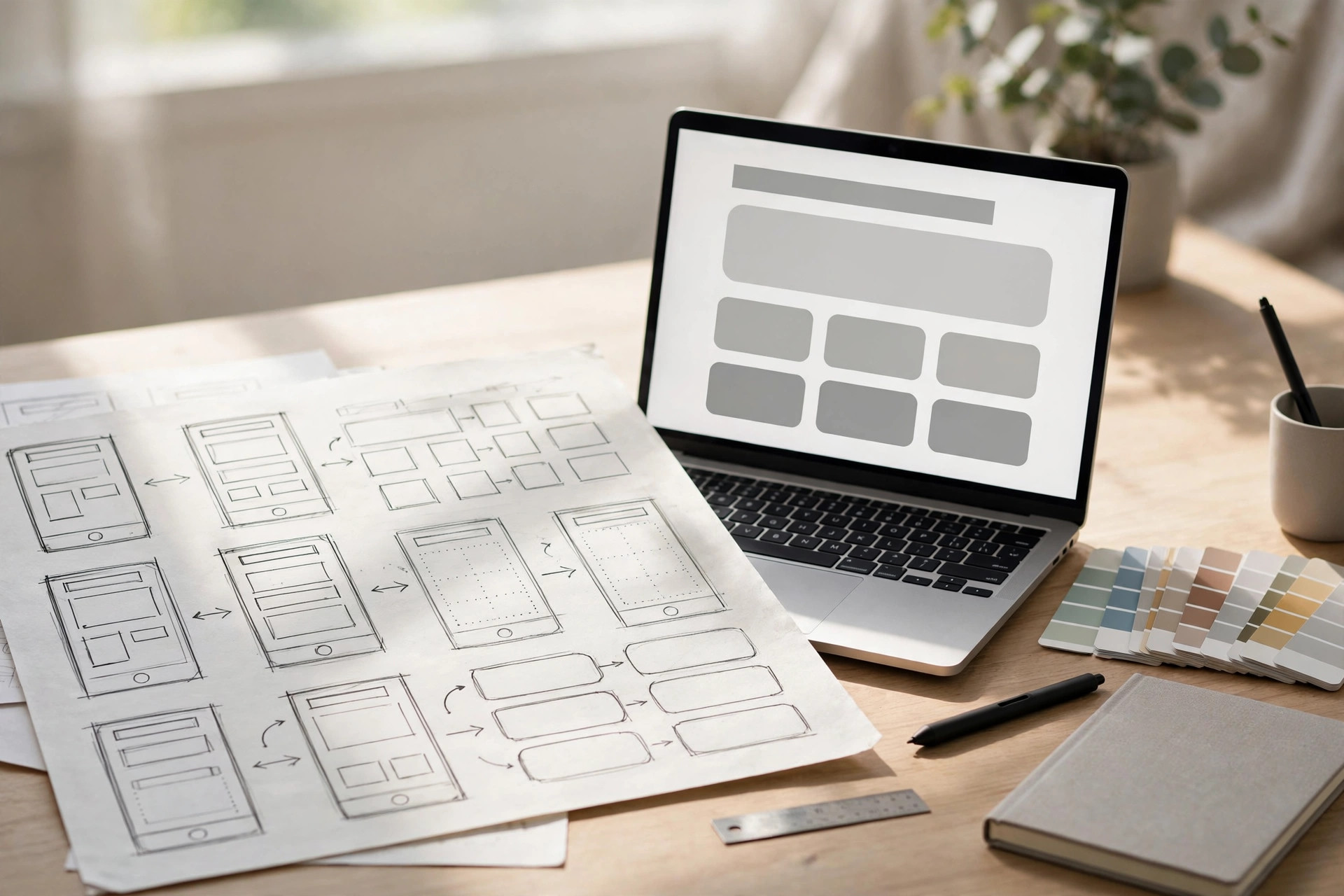
Design has gone remote — and stayed there. Product teams learned that critique sessions, whiteboarding, and user research all work beautifully over video, and many never looked back. If you are hunting for remote UX design jobs, the opportunities are real, but so is the competition. Here is where to look and how to win.
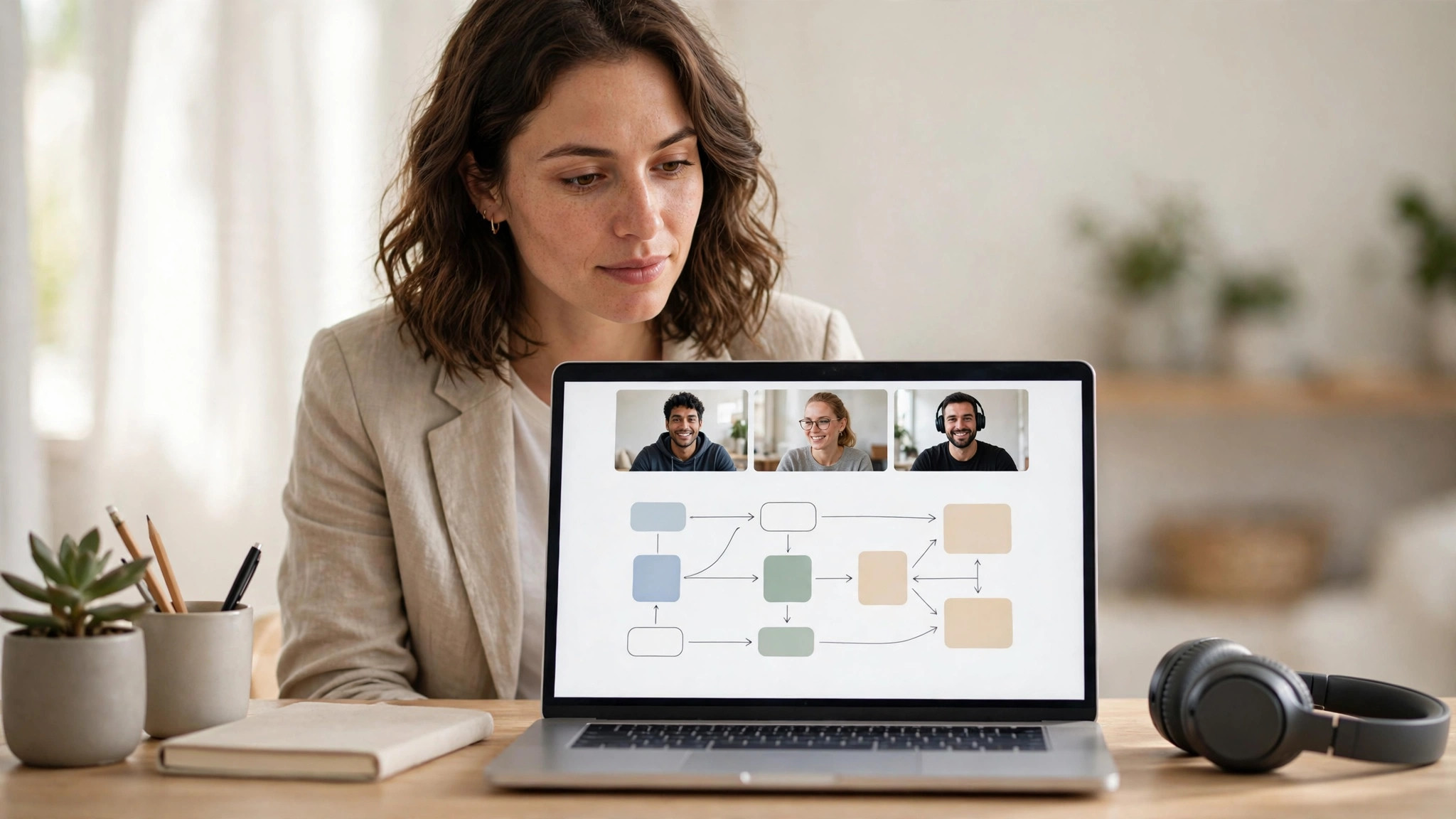
Where remote UX roles actually live
General job boards carry remote design roles, but dedicated channels surface the best ones faster. Remote-first job boards, design community job pages, and company career pages of distributed teams are your highest-signal sources. Many remote design jobs are filled through referrals before they are ever advertised, so being visible in design communities — sharing work, commenting thoughtfully, helping others — pays off disproportionately. Set up alerts with precise terms like "remote product designer" and "distributed UX" rather than generic "designer" searches that drown you in on-site roles.
What remote teams look for in designers
Beyond craft, remote hiring managers screen for:
- Asynchronous communication. Can you present a design decision in a recorded walkthrough or a written rationale, not just a live meeting?
- Self-directed research. Running usability tests and synthesising findings without a researcher beside you.
- Systems thinking. Remote teams love designers who build and maintain design systems, because systems scale across time zones.
- Comfort with ambiguity. Distributed teams move fast with less hallway context; you need to ask good questions and fill gaps yourself.
The portfolio that gets interviews
For remote roles, your portfolio carries more weight than your CV — it is proof you can communicate design thinking without being in the room. Three rules:
- Show process, not just pixels. Walk through the problem, your research, the iterations, and the outcome. Remote managers hire problem-solvers, not decorators.
- Write like a teammate. Clear, concise case-study writing signals you will communicate well on Slack and in docs.
- Include a remote-friendly project. A case study where you collaborated across time zones or ran remote research is gold.
Three strong case studies beat ten shallow ones. And make sure your resume is built to get interviews too — it still matters as the first filter.
Nailing the remote design interview
Remote UX interviews usually include a portfolio walkthrough, a whiteboard or take-home exercise, and stakeholder-style conversations. For the walkthrough, rehearse a tight 20-minute narrative per case study and prepare for deep follow-up questions. For exercises, narrate your thinking aloud — interviewers are evaluating your process, not just the final screen. Research from the Nielsen Norman Group can sharpen your vocabulary around usability and research methods, which interviewers notice.
Freelance vs full-time remote
Many designers start remote through freelance platforms and contract roles, which can be a smart on-ramp: you build a remote track record, collect testimonials, and learn to manage clients across time zones. Full-time remote roles offer stability, deeper product ownership, and benefits. Neither is better universally — choose based on whether you want variety or depth right now. A smarter job search strategy helps you pursue both tracks without burning out.
Red flags in remote design listings
Watch for listings that demand "remote" but describe an on-site workflow: mandatory core hours matching one office, no budget for home equipment, or a design process built entirely around in-person workshops. Also beware vague equity promises from early startups in place of fair pay. Good remote employers state their remote practices plainly — async norms, equipment budgets, and how design critique actually happens.
The bottom line
Remote UX design jobs reward designers who can think, communicate, and ship without a room. Build a portfolio that proves your process, learn to present your thinking in writing and on video, and target teams that are genuinely distributed. Do that, and geography stops being a career constraint — it becomes a lifestyle choice.



Comments (0)
Leave a Comment