

The IT industry is one of the fastest-growing and most competitive job markets in the world. With evolving technologies and increasing demand for skilled professionals, landing your dream IT job often begins with acing the interview. But while technical knowledge is important, it’s not the only factor employers consider. To truly stand out, you need a well-rounded skill set that combines technical prowess with interpersonal abilities.
In this article, we’ll explore the 5 essential skills that can significantly boost your chances of success in IT job interviews. Whether you’re a recent graduate or an experienced professional, mastering these skills can make all the difference.
1. Technical Proficiency
It goes without saying that a solid foundation in your area of expertise is crucial. Whether you’re applying for a role as a software developer, network engineer, cybersecurity analyst, or data scientist, employers expect you to demonstrate strong technical proficiency.
How to prepare:
- Review job-specific programming languages, frameworks, or tools (e.g., JavaScript, Python, AWS, SQL, etc.).
- Be ready to solve coding problems on whiteboards or platforms like HackerRank and LeetCode.
- Brush up on computer science fundamentals like algorithms, data structures, and system design.
Pro Tip: Customize your study plan based on the job description. If the role focuses on cloud technologies, prioritize AWS or Azure topics.
2. Problem-Solving and Analytical Thinking
IT professionals are often tasked with finding innovative solutions to complex problems. Employers want candidates who can approach challenges logically and think critically under pressure.
How to demonstrate:
- Walk the interviewer through your thought process when solving a problem.
- Use the STAR method (Situation, Task, Action, Result) when discussing past projects or challenges.
- Practice real-world case studies and system design questions to improve your analytical approach.
Pro Tip: During interviews, never jump straight to a solution. Pause, clarify the problem, and communicate your steps clearly to show your problem-solving mindset.
3. Communication Skills

Strong communication is a game-changer in IT roles. You may be technically sound, but if you can’t explain your ideas clearly to team members, stakeholders, or non-technical clients, your impact may be limited.
Why it matters:
- IT professionals frequently collaborate with cross-functional teams.
- Clear documentation and reporting are vital for codebases, system errors, and project updates.
- Interviewers evaluate how well you articulate your thoughts.
How to improve:
- Practice explaining technical concepts in simple terms.
- Conduct mock interviews with peers and request feedback on your clarity and confidence.
- Work on active listening and answering questions concisely but thoroughly.
4. Adaptability and Willingness to Learn
Technology evolves at lightning speed. What’s trending today might be outdated in a year. Employers look for candidates who show a growth mindset and are open to learning new tools, languages, or methodologies.
How to show adaptability:
- Talk about new skills or certifications you’ve pursued recently (e.g., CompTIA, Cisco, Google Cloud, etc.).
- Highlight situations where you had to quickly adapt to changing project requirements or learn a new tech stack on the job.
- Share examples where you proactively identified areas for improvement and implemented solutions.
Pro Tip: Stay updated with the latest trends in your field through blogs, podcasts, webinars, and online communities.
5. Teamwork and Collaboration
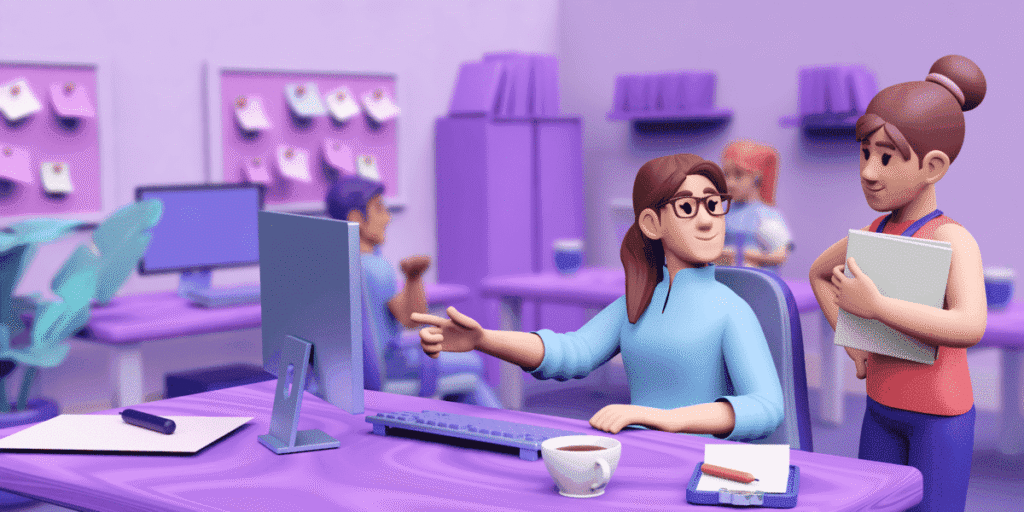
Contrary to the stereotype of the lone programmer, most IT roles involve working as part of a team. Whether it’s through agile sprints, code reviews, or DevOps pipelines, collaboration is key to project success.
How to demonstrate this skill:
- Highlight experiences where you contributed to team projects.
- Talk about how you handle feedback and conflicts within a team setting.
- Mention tools you’ve used for team collaboration like GitHub, Jira, Slack, or Trello.
Pro Tip: Employers value culture fit as much as technical ability. Showcase your interpersonal skills and demonstrate a positive, team-first attitude.
Final Thoughts
Cracking an IT job interview is about more than just writing clean code or managing servers. The most successful candidates combine technical expertise with soft skills like communication, adaptability, and teamwork. By focusing on these five essential skills—technical proficiency, problem-solving, communication, adaptability, and collaboration—you can present yourself as a well-rounded professional ready to take on any challenge.
As you prepare for your next IT interview, keep refining these skills and practicing them in real-world scenarios. Your growth mindset and holistic approach might just be what sets you apart from the competition.