

In today’s digital-first economy, launching an online store is one of the most powerful ways to build a sustainable, scalable business. Whether you’re selling physical products, digital downloads, or services, a well-optimized eCommerce store can open doors to a global customer base and unlimited earning potential. However, building a profitable online store requires more than just a good idea and a sleek website.
This ultimate guide walks you through the key steps, tools, and strategies needed to create a successful and profitable online store from scratch.
1. Choose a Niche with Profit Potential
The foundation of every successful online store starts with choosing the right niche. Selling to everyone usually means selling to no one. The most profitable niches often lie at the intersection of passion, demand, and market gaps.
Tips for choosing a niche:
- Look for products that solve a problem or fulfill a need.
- Use tools like Google Trends, Amazon Best Sellers, and Ubersuggest to research demand.
- Avoid oversaturated markets unless you have a unique angle or strong brand.
Pro Tip: Narrow your niche. Instead of selling “fitness equipment,” focus on “at-home resistance training for women.”
2. Pick the Right eCommerce Platform
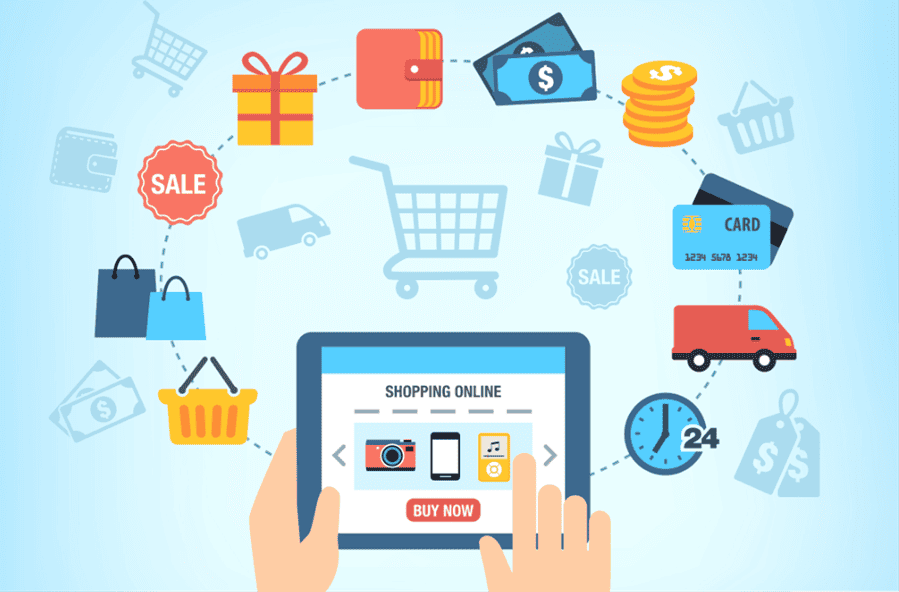
Your eCommerce platform is the backbone of your online business. Choose a platform that aligns with your technical skills, budget, and growth plans.
Popular platforms:
- Shopify – User-friendly, great for beginners, scalable.
- WooCommerce (WordPress) – Highly customizable, great for bloggers and SEO.
- BigCommerce – Built-in features and multi-channel selling.
- Wix eCommerce – Great design flexibility for small stores.
Key features to consider:
- Mobile responsiveness
- Secure payment gateways
- SEO capabilities
- Inventory management
- Scalability options
3. Create a High-Converting Website
Once you’ve chosen your platform, it’s time to build a store that not only looks good but converts visitors into paying customers.
Design and UX tips:
- Use a clean, intuitive layout with easy navigation.
- Feature high-quality product photos and detailed descriptions.
- Include trust elements: customer reviews, security badges, and return policies.
- Optimize for speed and mobile performance.
SEO Tip: Structure product pages with keyword-rich titles, alt tags for images, and optimized meta descriptions to rank higher on search engines.
4. Set Up Secure Payments and Shipping
A frictionless checkout process is essential for customer trust and conversions.
Payment gateway options:
- PayPal
- Stripe
- Square
- Apple Pay & Google Pay
Shipping strategy:
- Offer free shipping if possible—it boosts conversion.
- Use real-time shipping calculators.
- Set clear expectations for delivery times and returns.
Pro Tip: Automate shipping and fulfillment with tools like Shippo, Easyship, or integrations with dropshipping platforms like Oberlo or Spocket.
5. Drive Targeted Traffic to Your Store

You can build the best store in the world, but without traffic, it won’t make a dime. Successful store owners invest time and budget into driving qualified traffic to their site.
Organic Traffic (SEO)
- Write blog content targeting keywords your audience searches.
- Optimize product pages for long-tail keywords.
- Build backlinks from reputable sites in your niche.
Paid Traffic
- Run Facebook and Instagram ads targeting interest groups or lookalike audiences.
- Use Google Ads for high-intent buyers.
Social Media & Influencer Marketing
- Build a presence on Instagram, Pinterest, or TikTok depending on your niche.
- Collaborate with influencers to boost credibility and reach.
6. Focus on Retention and Customer Experience
Acquiring a new customer is 5x more expensive than retaining an existing one. To maximize profit, focus on customer retention and lifetime value.
How to do it:
- Offer exceptional customer service via chat, email, and social media.
- Send follow-up emails with thank-yous, order updates, and upsells.
- Use loyalty programs and referral incentives to encourage repeat purchases.
7. Analyze, Optimize, and Scale

Once your store is live, your work has just begun. Use analytics to understand user behavior, identify bottlenecks, and increase your conversion rate.
Tools to use:
- Google Analytics for traffic insights
- Hotjar or Clarity for heatmaps and session recordings
- A/B testing tools to optimize landing pages and CTAs
Growth tips:
- Expand your product line based on customer feedback.
- Explore B2B or wholesale opportunities.
- Launch on marketplaces like Amazon, Etsy, or eBay for additional revenue streams.
Final Thoughts
Building a profitable online store isn’t a one-time event—it’s an ongoing process of testing, learning, and optimizing. With the right strategy, tools, and commitment, you can create an online business that not only generates income but also gives you the freedom to work from anywhere.
Focus on value, customer experience, and smart marketing, and your online store can grow into a thriving digital empire.