
In 2021, ecommerce exploded like never before. With more businesses moving online, having a stunning and functional website became essential for standing out. Web design trends evolved quickly to meet new customer expectations for speed, convenience, and engagement. Whether you’re building a new ecommerce site or refreshing an existing one, staying updated with the latest design trends is key. Here are the top 5 web design trends for ecommerce sites in 2021.
1. Minimalist Design with Bold Typography
Simplicity was a major theme in 2021. Clean, minimalist designs help users focus on products without distractions. White space, neat layouts, and limited color palettes made sites look modern and professional. At the same time, bold typography gained popularity. Strong, oversized fonts helped brands make a memorable statement and guide users’ attention to key messages like sales, discounts, or product launches.
Tip: Use minimalism to highlight your best products and bold fonts to drive action (like “Shop Now” or “Limited Offer”).
2. Dark Mode Options
Dark mode was no longer just a mobile phone feature — it became a big trend in ecommerce design too. Many online stores offered users the option to switch between light and dark themes, enhancing user experience and reducing eye strain. Besides being practical, dark mode gave websites a sleek, stylish, and modern feel, helping brands appear more cutting-edge.
Tip: Make sure your dark mode version is well-optimized with high-contrast elements to maintain readability and aesthetic appeal.
3. Advanced Micro-Animations
Subtle animations — like a button slightly moving when hovered over or a product gently zooming in when selected — became essential tools in ecommerce web design. Micro-animations added a sense of interactivity, making shopping experiences feel more engaging and intuitive. They also provided useful feedback, confirming actions like adding an item to a cart.
Tip: Use micro-animations sparingly to enhance the shopping experience without overwhelming users.
4. Immersive Product Visuals
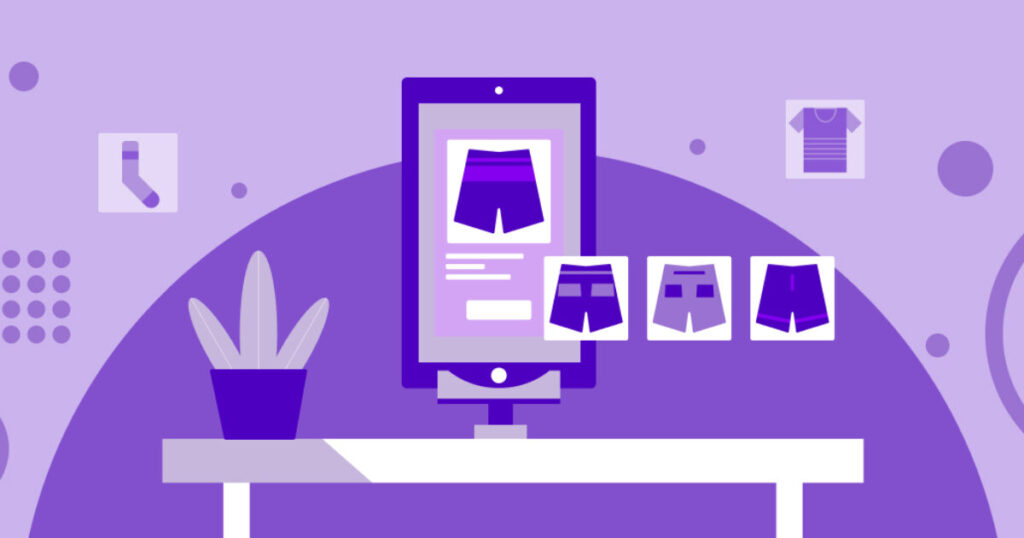
Since online shoppers can’t physically touch products, visuals became more important than ever. High-quality images, 360-degree product views, videos, and even augmented reality (AR) features helped customers get a better feel for items before purchasing. Ecommerce sites that invested in immersive visuals saw higher engagement and fewer returns.
Tip: Use multiple product images from different angles, and consider adding short demo videos to boost buyer confidence.
5. Mobile-First Design

In 2021, mobile commerce (or “m-commerce”) continued to dominate. With more than half of online shopping happening on smartphones, ecommerce sites needed to prioritize mobile design. Fast loading times, thumb-friendly navigation, and responsive layouts were no longer optional — they were crucial for success.
Tip: Test your website across different devices to ensure a smooth and enjoyable shopping experience for all users.
Final Thoughts
Web design trends for ecommerce in 2021 focused on simplicity, flexibility, and rich user experiences. By embracing minimalist designs, offering dark mode, using micro-animations, enhancing product visuals, and prioritizing mobile users, brands positioned themselves for greater online success. As ecommerce continues to grow, staying ahead of design trends will be key to standing out in a crowded market.